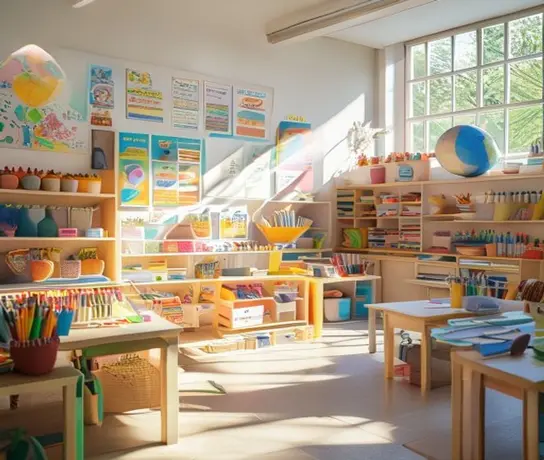
teaching supplies
The Indispensable Role of Quality Teaching Supplies
Quality teaching supplies form the backbone of an effective educational setting. They enhance curriculum delivery, facilitate student engagement, and provide practical support for classroom management. Investing in durable and pedagogically sound materials minimizes disruptions and maximizes learning opportunities. Studies consistently highlight the link between resource availability and academic performance. According to findings from the Institute of Education Sciences, access to varied instructional materials can significantly improve student achievement across different subjects, particularly in foundational literacy and numeracy.Categorizing Core Teaching Supplies for Impact
Understanding the broad categories of classroom essentials helps educators prioritize and budget effectively. Each type serves a distinct purpose, contributing to a holistic learning environment.- Classroom Management Tools: Items like visual schedules, timers, organization bins, and behavior charts. These reduce transition times and foster student independence.
- Instructional Materials: Manipulatives (blocks, counters), whiteboards, projectors, textbooks, and interactive software. They bridge abstract concepts with concrete understanding.
- Creative & Expressive Arts: Art supplies (paints, paper, clay), musical instruments, and dramatic play props. These encourage critical thinking, problem-solving, and emotional development.
- Health & Safety Provisions: First-aid kits, sanitizers, gloves, and allergy information displays. Ensuring a safe and healthy environment is a prerequisite for learning.
- Differentiated Learning Aids: Noise-canceling headphones, specialized grips, sensory tools, and adapted texts. These support students with diverse needs and learning preferences.
Strategic Acquisition and Resource Management
Acquiring teaching supplies requires foresight and a clear understanding of educational objectives. Educators must consider not just what is needed, but why it is needed, and how it aligns with curriculum standards and student needs. Many districts follow procurement guidelines recommended by national educational associations to ensure cost-effectiveness and pedagogical relevance. Prioritizing core resources over fleeting trends often yields better long-term value.| Supply Type | Primary Benefit | Example Items | Considerations for Selection |
|---|---|---|---|
| Foundational | Supports core skills | Manipulatives, basic stationery | Durability, multi-purpose use |
| Instructional | Enhances curriculum delivery | Whiteboards, projectors, texts | Curriculum alignment, accessibility |
| Organizational | Streamlines classroom flow | Storage bins, labeling systems | Space efficiency, student access |
| Specialized | Addresses unique needs | Adaptive tech, sensory tools | Individual student needs, professional recommendations |
Expert Insight: Beyond the Gadgets – The Enduring Power of Simplicity
In the pursuit of innovation, it’s easy for educators to fall into the trap of believing that the most expensive or technologically advanced teaching supplies are always the best. However, real-world experience often reveals a different truth: simplicity, when strategically applied, can outperform complexity. Consider the humble whiteboard marker.While interactive smart boards offer impressive features, a well-used whiteboard and marker can facilitate spontaneous brainstorming, immediate feedback, and collaborative problem-solving—often with greater flexibility and less technical friction. The focus should always be on the pedagogical utility and how a supply genuinely enhances learning, rather than its perceived “coolness” or price tag. An over-reliance on complex digital tools can sometimes create new barriers, demanding significant teacher training and troubleshooting time, detracting from direct instruction.
Prioritizing foundational, multi-sensory tools that stand the test of time often proves more impactful for student learning and teacher sanity.
Best Practices for Optimizing Your Supply Toolkit
- Audit Regularly: Periodically review existing supplies. Discard broken items and identify gaps based on student progress and curriculum shifts.
- Seek Feedback: Involve students in discussions about what tools help them learn best. Their perspective is invaluable for refining your collection of teaching supplies.
- Professional Development: Ensure staff are trained on how to effectively integrate new or existing supplies into their teaching practices.
- Budget Wisely: Allocate funds based on documented needs and a clear understanding of pedagogical impact, rather than impulse purchases.
- Prioritize Durability: Choose materials built to last, especially for high-use items, to maximize long-term investment and reduce waste.
Budget Stretching Playbook
Split bulk orders with neighboring classrooms and label everything on arrival. classroom essentials last longer when checkout logs track who borrowed what.
Request donations in August when families shop sales, and thank donors with photo updates. These classroom essentials habits fund extras all year.
Who This Classroom Guide Fits
New teachers setting up first rooms fit best. Borrow before buying specialty items.
Verdict: Label Everything Day One
For organized rooms, label classroom essentials on arrival and purge termly. Tidy classroom essentials save daily minutes.
August Donation Drive Kit
Draft a one-page wish list with prices and share it at open house night. Parents claim items fast when choices stay specific and cheap. Photograph the stocked shelves for thank-you notes and next year’s planning meeting reference.
Rotate specialty items like science kits and art sets between rooms each term so every class shares costly resources fairly and evenly throughout the whole school year together without shortages. Review stock levels monthly with your grade team.
Further Reading on This Site
What belongs in every starter kit?
For teaching supplies basics, pack markers, sticky notes, timers, and storage bins. Restock monthly.
How do teachers save on supplies?
With classroom essentials budgets tight, buy in bulk and split costs with grade teams. Reuse durable goods yearly.
How should classrooms store everything?
Label bins by subject so teaching supplies stay findable. Purge broken items each term.
About the Author