us school supplies
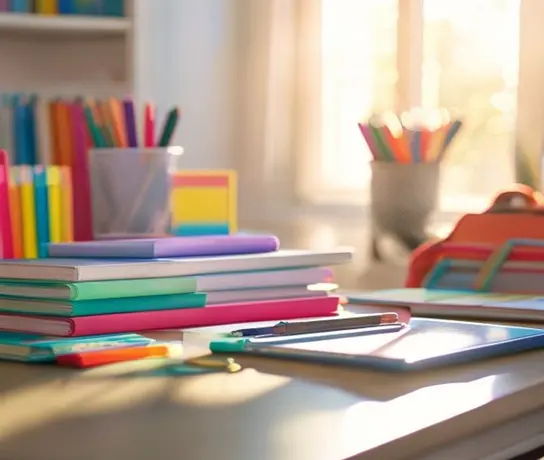 US school supplies set students up for academic success starting with the right tools. Understanding what constitutes essential us school supplies is crucial for ensuring children are ready for the learning environment. This guide provides a comprehensive overview of the typical items needed, strategic buying advice, and expert insights to equip students from elementary through high school.
The Core Components of Effective US School Supplies Lists
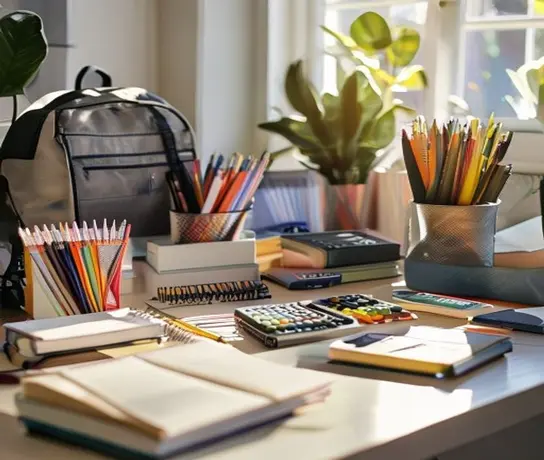
Generally, school supply kits fall into several key categories: writing instruments, paper products, organizational tools, and subject-specific items. These foundational elements support daily classroom activities and homework completion. Strategic selection ensures durability and utility throughout the academic period. For elementary students, crayons, blunt scissors, and washable glue are paramount. As students advance to middle and high school, the emphasis shifts to graphing calculators, scientific kits, and more sophisticated binders. Each stage of education demands a tailored approach to supply procurement.Beyond the Basics: Tailoring US School Supplies for Different Grades
The specific requirements for school supply kits evolve significantly across grade levels. Kindergarteners often need comfort items and basic art supplies, fostering creativity and fine motor skills. Upper elementary grades introduce more structured needs like lined paper, rulers, and a variety of colored pencils. Middle schoolers begin to manage multiple subjects and teachers, necessitating robust binders, dividers, and a planner. High school students require advanced graphing calculators, specialized notebooks for science and math, and often a personal laptop or tablet for research and assignments. According to reports from the National Retail Federation, families consistently prioritize these essential tools, with spending trends reflecting the increasing complexity of academic demands as children age.| Grade Band | Core Writing Tools | Organizational Aids | Specialized Items |
|---|---|---|---|
| Pre-K/K | Crayons, large pencils | Folders with pockets | Washable glue, blunt scissors |
| Elementary | Pencils, erasers, markers | Composition notebooks, binders | Ruler, colored pencils |
| Middle School | Pens (blue/black), mechanical pencils | Multi-subject notebooks, dividers | Basic scientific calculator, protractor |
| High School | Fine-tip pens, highlighters | Advanced binders, academic planner | Graphing calculator, laptop/tablet |
Navigating the Purchase: Value, Longevity, and Sustainability
Purchasing school gear involves balancing budget constraints with quality and longevity. While cheaper options may seem appealing initially, they often lead to premature wear and tear, requiring costly replacements. Investing in durable items can save money in the long run. Furthermore, considerations for sustainability are gaining prominence. Many schools and districts encourage eco-friendly options, such as recycled paper products, refillable pens, and PVC-free binders. Checking with individual school guidelines often provides insights into preferred or required materials.The Role of Technology in Modern US School Supplies
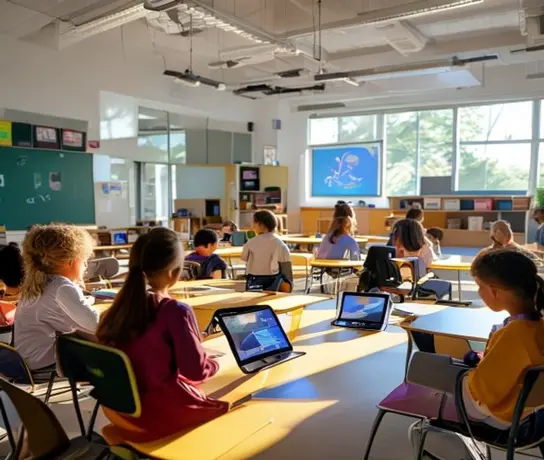
In contemporary education, technology is an indispensable part of school gear. Laptops, tablets, and scientific or graphing calculators are no longer optional for many curricula. These tools facilitate research, digital assignments, and interactive learning experiences. Selecting devices that align with school system requirements and offer robust support for educational software is key. Expert Insight: A common challenge for families is balancing teacher-specific requests with general school supply lists and budget realities. While teachers often have specific brand or item preferences based on classroom experience, it’s wise for parents to first prioritize durable, foundational items. Consider purchasing generic, high-quality alternatives for common goods like pencils or glue sticks, reserving brand-specific purchases for critical items like graphing calculators or art supplies where specification truly impacts performance. Always keep receipts for potential returns or exchanges.Health & Safety Considerations for US School Supplies
Safety is paramount when selecting school gear. Ensure all art supplies are non-toxic, particularly for younger children who may be prone to putting items in their mouths. Look for labels like “AP Certified” or “ASTM D-4236” on crayons, markers, and glues, indicating safety standards compliance. Backpack ergonomics are another critical consideration. According to guidelines from the American Academy of Pediatrics, a backpack should weigh no more than 10-20% of a child’s body weight. Choosing backpacks with padded shoulder straps and a waist belt can help distribute weight evenly, preventing undue strain on developing spines. Prioritizing health and well-being enhances a student’s ability to focus and learn. Preparing for the academic year effectively involves thoughtful selection of us school supplies. By understanding grade-level needs, prioritizing quality, integrating technology wisely, and ensuring safety, families can foster an environment where students are well-equipped to thrive and achieve their full potential.Label everything with first and last names, including lunchboxes, jackets and individual markers. Most lost property piles overflow because hundreds of identical items arrive every single morning. A permanent marker plus ten minutes in August saves replacement money all year. Do the job together so kids recognize their own gear instantly.
Start a classroom swap box for outgrown but usable items like rulers, bags and art smocks. One family surplus is another classroom solution, and swaps teach kids that reusing beats buying new.
Packing List by Grade: Quick Table
| Grade | Must-haves | Skip |
|---|---|---|
| K-2 | Crayons, glue, blunt scissors | Binders, tech |
| 3-5 | Notebooks, ruler, pencils | Bulk paper |
| 6+ | Planner, calculator, USB drive | Novelty items |
Stretch the budget with our discount teacher supply tactics and essential supplies checklist; review safety basics with Safe Kids Worldwide.
Photograph receipts and store them in a school folder on your phone for easy returns and warranty claims. Retailers accept phone photos at most counters, and digital copies survive backpack chaos far better than paper slips that fade by October.
Verdict: us school supplies planning works when lists match grades and stores match budgets. Buy basics early, check safety labels carefully and recheck the entire backpack after week one.
When should I buy us school supplies?
Start six weeks before term for the widest choice and best prices. Early shopping avoids stockouts on popular items and spreads costs across paydays.
How do I keep supply costs down?
Reuse last year survivors, buy store brands for consumables and split bulk packs with other families. Track spending per child in a simple note to spot bigger savings next year.
What safety labels should I check?
Look for non-toxic marks on art materials and age grading on tools. Avoid small detachable parts for young kids and check recalls before the first day.
About the Author