young learners
Effective support for young learners begins with understanding their developmental needs and creating environments that nurture curiosity, resilience, and foundational skills. Research from the National Association for the Education of Young Children shows that purposeful play and responsive teaching boost achievement.
This guide outlines proven strategies to help educators and parents foster lasting growth. Investing in quality experiences during the first eight years sets the trajectory for academic success and lifelong well‑being.
Core Principles for Teaching young learners
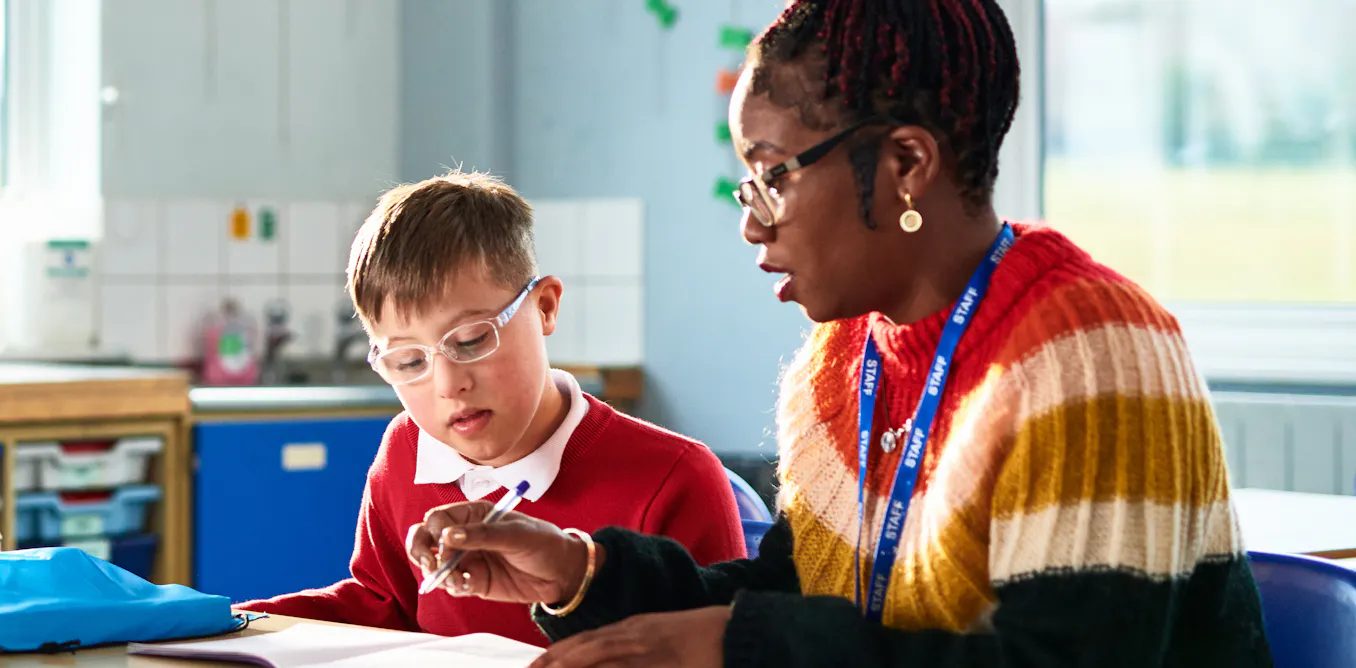
Building strong relationships is the cornerstone of effective instruction for young learners. When teachers respond promptly to children’s cues, they create a sense of safety that encourages exploration. The U.S. Department of Education highlights that secure attachments correlate with higher language acquisition and problem‑solving skills. Also, consistent routines help children predict what comes next, reducing anxiety and freeing mental bandwidth for learning.
Educators who combine warm interactions with clear expectations see improvements in attention span and social cooperation. Studies from the Journal of Educational Psychology indicate that positive teacher‑child interactions predict better academic outcomes through third grade. Simple practices such as greeting each child by name, offering choices, and acknowledging effort reinforce trust and motivation.
Designing Learning Spaces for young learners
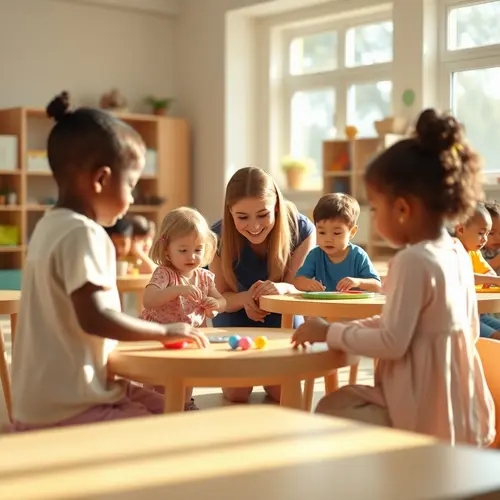
Designing learning spaces that invite movement and sensory engagement supports the natural curiosity of young learners. Research from the Harvard Graduate School of Education shows that classrooms with flexible seating, accessible materials, and defined interest areas lead to longer periods of focused activity.
Low shelves enable children to choose activities independently, fostering decision‑making skills. Incorporating natural light and soft colors reduces overstimulation, while clearly marked zones for quiet reading, block building, and art help children transition smoothly between tasks.
Teachers report that when children can move freely between stations, they exhibit higher levels of engagement and fewer behavioral disruptions. Adding elements such as sensory bins, outdoor gardens, and quiet corners caters to diverse preferences and supports self‑regulation.
| Approach | Key Features | Impact on young learners |
|---|---|---|
| Traditional Direct Instruction | Teacher‑led lessons, whole‑group seating, standardized worksheets | May limit exploration; benefits foundational literacy when balanced |
| Play‑Based Learning | Child‑chosen activities, open‑ended materials, teacher as facilitator | Enhances problem‑solving, creativity, and social skills |
| Mixed Approach | Structured mini‑lessons followed by guided practice centers | Combines skill building with autonomous inquiry, supporting holistic growth |
Engaging families strengthens the learning continuum for children. Regular communication through newsletters, brief updates, and parent‑teacher conferences keeps caregivers informed about classroom goals and student progress. Workshops that demonstrate simple at‑home activities aligned with classroom themes empower parents to reinforce concepts.
When families feel welcomed as partners, children show increased motivation and a stronger sense of belonging. Schools that provide translated materials and flexible meeting times ensure that all caregivers can participate meaningfully.
Monitoring growth in young learners requires tools that capture both academic and social‑emotional dimensions. Observational checklists, work samples, and brief standardized screens provide a balanced picture. The National Association for the Education of Young Children recommends using portfolios that collect drawings, dictations, and project photos over time.
Teachers who review these artifacts monthly can adjust instruction to match each child’s zone of proximal development, ensuring challenges remain achievable yet stimulating. Additionally, informal conversations during play reveal insights into children’s thinking processes and emotional states.
- Prioritize warm, responsive interactions.
- Design flexible, child‑centered spaces.
- Use mixed instructional approaches that balance direct teaching with play.
- Collect authentic work samples to inform instruction.
- Maintain open, two‑way communication with families.
Supporting young learners thrives when educators blend relationship‑based practices, thoughtfully designed environments, and reliable assessment into a cohesive routine. By grounding decisions in developmental science and listening to children’s voices, families and schools build foundations that last a lifetime.
Embracing these proven strategies transforms everyday moments into powerful learning opportunities. When adults view each interaction as a chance to nurture wonder, the impact extends far beyond the classroom walls.
About the Author