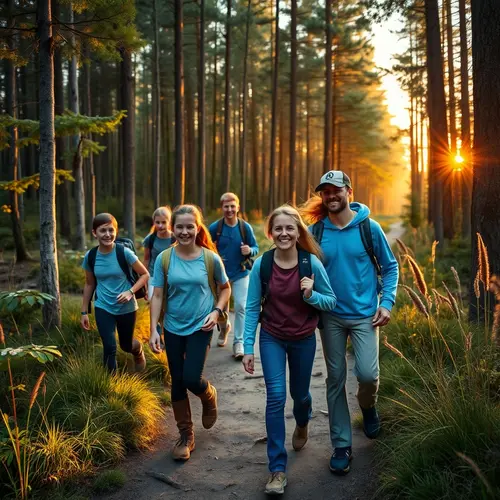
outdoor experiences
Activities that take place in natural settings—such as hiking, camping, wildlife observation, and adventure sports—deliver physical, mental, and educational benefits. Engaging in outdoor experiences improves fitness, reduces stress, and fosters lifelong learning for individuals and families alike.
Research shows that regular contact with nature boosts mood and cognitive function. The Centers for Disease Control and Prevention notes that active outdoor time lowers risk of chronic diseases. Families who share outdoor experiences report stronger bonds and better communication.
outdoor experiences Benefits Backed by Science
Studies published in the Journal of Environmental Psychology link frequent outdoor experiences to reduced anxiety and improved attention span. Meta‑analyses from the National Institutes of Health show that moderate outdoor activity raises vitamin D levels and supports immune health. These findings confirm that nature‑based movement is a low‑cost, high‑impact public health tool.
Choosing the right type of outdoor experiences depends on goals, accessibility, and season. Below is a quick reference that matches common activities with their primary benefits.
| Activity | Primary Benefit | Typical Duration |
|---|---|---|
| Hiking | Cardiovascular fitness | 2‑4 hours |
| Camping | Stress reduction | Overnight |
| Wildlife observation | Mindfulness | 1‑2 hours |
| Kayaking | Upper‑body strength | 1‑3 hours |
| Rock climbing | Problem‑solving | 1‑2 hours |
Understanding how different ages respond to nature helps planners create safe, engaging outdoor experiences. Tailoring difficulty, duration, and guidance ensures participation across generations.
Designing Effective outdoor experiences for Different Age Groups
For children ages 5‑12, short exploratory outdoor experiences such as nature scavenger hunts build curiosity and motor skills. The American Academy of Pediatrics recommends at least 60 minutes of daily active play outdoors to support healthy development.
Teens benefit from challenge‑based outdoor experiences like overnight backpacking or ropes courses, which foster leadership and resilience. Adults often gain stress relief and social connection through group activities such as trail running clubs or community gardening.
Planning a successful outing follows a few clear steps:
- Define clear goals (e.g., fitness, education, relaxation).
- Select an activity that matches skill level and weather.
- Prepare essential gear: water, navigation, first‑aid kit.
- Check local regulations and trail conditions.
- Leave no trace: pack out waste and respect wildlife.
Safety and Preparation for outdoor experiences
Effective risk management starts with assessing personal fitness and the difficulty level of the chosen activity. Beginners should choose well‑marked trails and consider guided programs when available. Carrying a fully charged phone and sharing your itinerary with a trusted contact reduces emergency response time, and reviewing recent trail reports helps keep your outdoor experiences safe and enjoyable.
Weather conditions can change rapidly in mountainous or coastal environments. Checking forecasts from reliable sources such as the National Weather Service helps you pack appropriate layers and avoid hazardous situations. Planning your outdoor experiences around stable weather windows increases both safety and enjoyment.
Gear Checklist for Variable Conditions
Having the right equipment transforms a good outing into a great one. The following checklist covers essentials for day trips in varying climates. Adjust quantities based on group size and duration. Remember that proper gear supports the success of your outdoor experiences by keeping you comfortable and protected.
- Waterproof jacket
- Insulated layers (fleece or down)
- Sturdy footwear with good traction
- Navigation tool (map, compass, or GPS device)
- Headlamp with extra batteries
- Comprehensive first‑aid kit
- Sufficient water (at least 2 liters per person)
- High‑energy snacks (nuts, bars, dried fruit)
- Multi‑tool or knife
- Emergency blanket or bivy sack
Practicing Leave No Trace principles protects ecosystems for future visitors. Pack out all trash, stay on designated trails, and avoid disturbing wildlife or vegetation. Teaching these habits to children ensures that every outdoor experiences leaves a positive legacy.
Environmental Benefits of Regular outdoor experiences
Regular outdoor experiences increase public awareness of local ecosystems and foster stewardship behaviors. Studies from the United States Forest Service show that visitors who engage in nature‑based activities are more likely to support conservation funding. Additionally, time spent outdoors correlates with lower urban heat island effects due to increased vegetation preservation.
Participating in guided outdoor experiences such as citizen science bird counts helps researchers track migration patterns and population health. These data contribute to national biodiversity databases that inform policy decisions. When communities value their natural surroundings, they invest in green spaces that benefit both wildlife and residents.
Program leaders often use simple surveys and participation logs to measure the impact of their outdoor experiences initiatives. Metrics such as increased physical activity minutes and self‑reported stress reduction provide actionable insights. Sharing these results with stakeholders encourages continued investment in nature‑based programming.
By integrating regular outdoor experiences into weekly routines, individuals unlock lasting physical vitality, sharper focus, and deeper community ties. Start small, stay consistent, and let nature be the teacher.
About the Author