school supplies
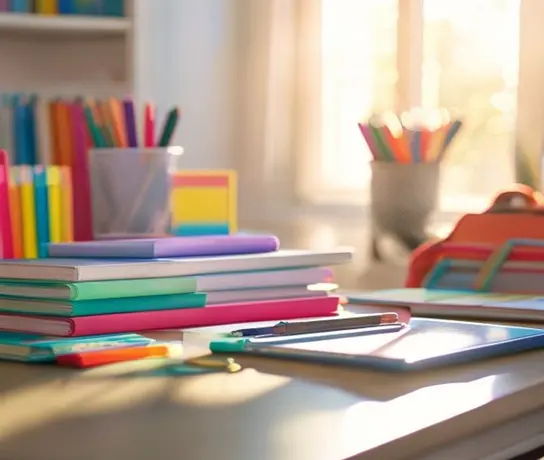 Essential school supplies make back-to-school simple. Acquiring the right school supplies is more than just a back-to-school ritual; it’s a foundational step that significantly impacts a student’s preparedness and engagement throughout the academic year. From foundational writing tools to organizational aids, thoughtfully chosen learning materials empower students to navigate their curriculum effectively. Understanding the core essentials and making informed choices ensures students have the resources they need, which is why essential school supplies lists exist in the first place.ey need to thrive, fostering an environment conducive to learning from day one.
The Foundation of Academic Preparedness: Essential School Supplies
The core set of academic tools forms the bedrock of any student’s learning journey. These are not merely items on a list but instruments that facilitate active participation and knowledge retention. Prioritizing quality in these fundamental items can prevent disruptions and foster consistent engagement. Consider the pedagogical value of each item, because essential school supplies earn their place only when teachers actually request them. A sturdy backpack protects textbooks and assignments, anchoring any essential school supplies kit through daily commutes. Proper writing instruments encourage legible handwriting. Organized binders and folders instill discipline in managing coursework. These elements collectively contribute to a student’s sense of readiness and confidence in the classroom.Critical Categories for School Supplies
A structured approach to procurement ensures no vital components are overlooked. The following categories represent the most common and universally recognized necessities for academic success.- Writing & Correction Tools: Pens (blue/black), pencils (HB, 2B), erasers, highlighters, colored pencils, fine-tip markers.
- Paper & Notebooks: Lined notebooks, graph paper, loose-leaf paper, index cards, drawing pads.
- Organizational Aids: Binders, folders, dividers, pencil cases, planners/agendas, clear document protectors.
- Measurement & Geometry: Rulers, protractors, compasses, calculators (appropriate for grade level).
- Craft & Presentation: Scissors, glue sticks, tape, construction paper (especially for younger grades).
Beyond the Basics: Strategic Selection of Learning Materials
While the basic list covers immediate needs, a deeper dive into specific learning environments reveals tailored requirements. For instance, art classes demand specialized brushes and canvases, while advanced science courses necessitate specific lab notebooks or graphing calculators with advanced functions. Adapting the procurement process to individual curricula enhances student performance. According to the National Center for Education Statistics, access to appropriate learning resources correlates with improved academic outcomes. This extends beyond textbooks to the everyday tools students use. Investing in ergonomic writing tools, for example, can reduce hand fatigue during extended note-taking, a nuanced but impactful consideration for student well-being.Evaluating Durability and Value in School Supplies
The temptation to opt for the lowest-priced items is common, but this often leads to premature replacements and hidden costs. A robust binder, for instance, might cost slightly more initially but will withstand the rigors of an entire academic year, unlike a flimsier alternative that tears mid-semester. As an education expert, my view is that prioritizing durability is not merely about saving money long-term, but about minimizing learning interruptions. A broken pencil sharpener or a ripped folder can disrupt focus. We often see an overemphasis on novelty over utility. The myth that “all supplies are created equal” leads to frustration and unnecessary expenditure. Instead, focus on materials designed for longevity and repeated use, such as reinforced binders or high-quality pens that last. Here’s a comparison of common material choices for core school supplies:| Item Category | Standard Choice (Cost-Effective) | Durable Choice (Long-Term Value) | Key Benefit of Durable Choice |
|---|---|---|---|
| Backpack | Basic fabric backpack | Reinforced nylon/polyester with padded straps | Increased lifespan, better weight distribution, injury prevention |
| Notebooks | Spiral-bound with thin covers | Hardcover or thick-cover wire-bound, perforated pages | Resists tearing, pages stay intact, professional appearance |
| Writing Pens | Disposable ballpoint pens | Refillable gel pens or rollerball pens | Smoother writing, reduced waste, consistent performance |
| Binders | Flexible vinyl binders | Heavy-duty polypropylene or D-ring binders | Resists cracking, rings align better, holds more securely |
Sustainable Choices and Future-Proofing Essential School Supplies
The shift towards conscious consumption extends to educational materials. Choosing sustainable school supplies, such as recycled paper products, PVC-free binders, or refillable writing tools, teaches valuable lessons in environmental stewardship. This aligns with broader educational goals of fostering responsible global citizens. Furthermore, technology integration means some “supplies” are digital. Access to reliable internet, a functional device, and appropriate software licenses are increasingly critical. However, this does not diminish the value of physical tools. Research from the Journal of Psychological Science suggests that note-taking by hand can lead to better conceptual understanding and retention than typing notes. The selection of school supplies is an annual exercise with lasting implications. By approaching this task with strategic intent, informed decision-making, and a focus on long-term value, educators and parents can significantly contribute to a student’s preparedness and overall academic success.Teacher Wish Lists and Tax-Free Weekends
Ask teachers for wish lists before buying anything, since classroom needs differ by grade and subject. Many states run tax-free weekends each August that cover clothing and basic gear; stacking those dates with coupons cuts bills fast. Keep receipts sorted by child to simplify returns and warranty claims later. Keep a running list on your phone and buy when prices dip rather than all at once.
| Buy | Where | Save how |
|---|---|---|
| Basics | Big-box sales | Loss leaders |
| Tech | Refurbished | Same warranty |
| Bulk | Warehouse clubs | Split with families |
Choose essential school supplies wisely and save more with our discount teacher supply tactics and US supplies preparation guide; fund big wishes via DonorsChoose projects.
Verdict: essential school supplies planning succeeds when lists match grades. Buy early, label everything and recheck needs after the first month of classes. Share the essential school supplies list with room parents to coordinate bulk buys.
What are essential school supplies for every grade?
Core essential school supplies lists share pencils, notebooks, erasers and a backpack, with grade extras like calculators or art kits. Check the school list first, then fill gaps from classroom wish lists.
How can families afford long supply lists?
Buy essential school supplies basics on sale, reuse survivors and split bulk packs with neighbors. Tax-free weekends plus coupons routinely cut totals by a third or more.
Should I buy name brands or store brands?
Choose store brands for essential school supplies consumables and name brands for tools used daily. Durability matters most for backpacks, scissors and water bottles.
About the Author