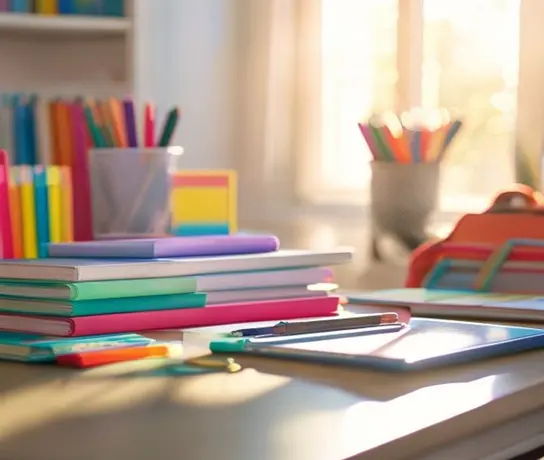
school supplies lists
Understanding and preparing comprehensive school supplies lists is a foundational step for any student embarking on a new academic journey. These lists outline the essential materials students need, from basic stationery to specialized learning tools, ensuring they are well-equipped to engage with their curriculum, stay organized, and thrive in their educational environment.
Decoding the Core of Effective School Supplies Lists
Every academic year brings the vital task of preparing for learning. A well-constructed school supplies list goes beyond a simple shopping expedition; it’s a strategic investment in a student’s educational trajectory. These lists are typically curated by educators to align with curriculum objectives, classroom activities, and student developmental stages, providing a clear roadmap for parents and guardians. Core components often include writing instruments, paper, notebooks, and basic art supplies. Beyond these universals, lists diversify significantly based on specific academic programs and school-level expectations. Proper planning helps foster a sense of readiness and reduces first-day anxieties for students.Grade-Level Specificity in School Supplies Lists
The requirements for school supplies lists naturally evolve with a student’s age and grade level. What’s crucial for a kindergartner differs significantly from what a high school senior needs. Early childhood education focuses on tactile learning, requiring items like crayons, blunt-tip scissors, and construction paper. These support fine motor skill development and creative expression, as advised by early childhood development specialists. Elementary school lists introduce more structured items, such as composition books, rulers, and glue sticks, facilitating foundational literacy and numeracy. As students progress to middle school, their school supplies lists reflect increasing independence and subject specialization, often including binders with dividers, scientific calculators, and specific materials for elective classes like art or music. High school demands a more advanced set of tools, encompassing graphing calculators, USB drives for digital projects, and personal organization systems. Here, the emphasis shifts to managing multiple subjects, independent research, and preparing for higher education or vocational paths.Strategic Procurement: Beyond Just Buying School Supplies Items
Acquiring necessary supplies effectively involves more than simply ticking items off a checklist. It requires thoughtful budgeting, quality assessment, and consideration for the longevity and environmental impact of purchases. According to consumer financial guides, parents can save significantly by comparing prices and leveraging end-of-season sales for non-perishable items. Opting for durable, high-quality items, especially for frequently used tools like backpacks or lunchboxes, can reduce replacement costs over time. This approach not only provides better value but also minimizes waste, aligning with broader sustainability efforts within communities.| Category | Key Procurement Consideration | Impact on Student Learning |
|---|---|---|
| Writing Tools | Ergonomics, Durability | Comfort in extended writing, reduced hand fatigue. |
| Notebooks/Paper | Paper Quality, Binding Strength | Prevents tears, maintains notes integrity, clear writing surface. |
| Organizational Tools | Functionality, Capacity | Efficient subject separation, reduces clutter, easy access. |
| Technology Items | Compatibility, Reliability | Seamless integration with digital curricula, fewer disruptions. |
Expert Insight: Debunking the “More is Better” Myth for School Supplies
A common misconception when tackling school supplies lists is that an abundance of options or excessively elaborate items equates to better learning outcomes. However, educational psychologists often highlight that too many choices or overly stimulating supplies can actually detract from focus. A desk overflowing with novelty pens, intricate binders, or unnecessary gadgets can become a source of distraction rather than a tool for engagement. A focused approach prioritizes essential, functional items that support the learning process directly. For instance, rather than multiple sets of markers, a single, high-quality set that encourages deliberate use is often more effective. This philosophy encourages students to value and maintain their resources, fostering responsibility and mindfulness. Simplified school supplies lists can contribute to a calmer, more organized learning space, both at home and in the classroom, thereby enhancing a student’s capacity for deep work.The Evolving Role of Technology in School Supplies Lists
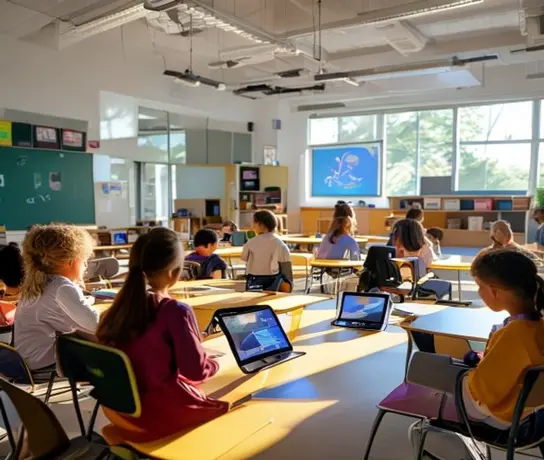
While traditional items remain central, technology increasingly shapes modern school supplies lists. Digital tools like educational software, online learning platforms, and e-readers are now as vital as physical textbooks. Access to reliable internet and appropriate devices, such as laptops or tablets, is critical for many curricula, especially in hybrid learning environments. Educators emphasize the importance of digital literacy, ensuring students can effectively use these tools for research, collaboration, and content creation. It’s important to balance screen time with traditional methods. The judicious integration of technology enhances learning without entirely replacing the tangible benefits of handwriting or physical problem-solving. Thoughtful inclusion of digital resources on school supplies lists supports a well-rounded educational experience.Building a Sustainable & Organized Learning Environment
Beyond initial procurement, maintaining an organized learning environment is key. This involves regular inventory checks, proper storage solutions, and involving the student in the process. Designating specific places for school items at home, such as a homework station or a dedicated shelf, can significantly reduce lost items and streamline study routines. This proactive approach helps extend the life of supplies and instills valuable organizational habits.- Mid-Year Review: Periodically assess remaining supplies, especially writing instruments and paper, to avoid last-minute shortages.
- Declutter Regularly: Remove broken items, dried-up markers, or expired materials to keep the learning space tidy and functional.
- Involve the Student: Empower students to take ownership of their supplies by allowing them to help organize and manage their own study materials.
- Reuse and Recycle: Encourage the reuse of binders, folders, and other durable items year after year. Recycle paper and other appropriate materials.
Do not forget paperwork: a mesh hanging file organizer keeps handouts sorted all year.
About the Author