Learn data analytics the practical way: clean real datasets, write SQL that answers business questions and publish one dashboard every week.

We’re living in the age of data and artificial intelligence (AI). Every second, vast amounts of data are being generated, processed, and analyzed. And increasingly AI plays a central role in how that data gets managed. For companies, governments, and individuals alike, understanding data is essential. This makes Data Analytics—especially when accompanied by AI skills—a valuable asset for most professionals.
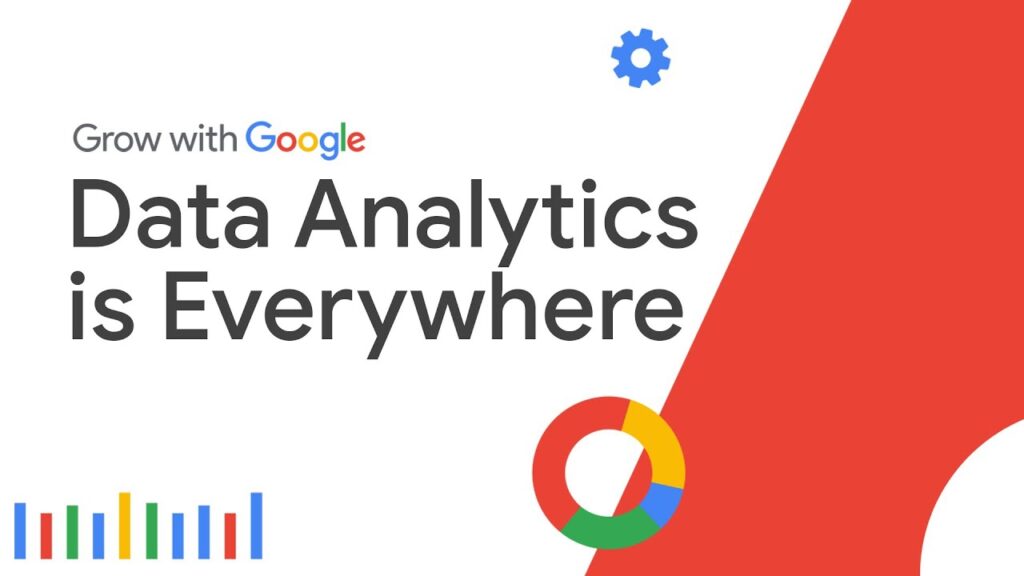
Enter Google, which recently launched a professional certificate in Data Analytics–one that will “have you job-ready in less than 6 months.” Offered on the Coursera platform, the Data Analytics Professional Certificate consists of eight courses, including “Foundations: Data, Data, Everywhere,” “Prepare Data for Exploration,” “Data Analysis with R Programming,” and “Share Data Through the Art of Visualization.” And now the course sequence has incorporated videos exploring how to leverage artificial intelligence when working with data. Overall this program “includes over 180 hours of instruction and hundreds of practice-based assessments, which will help you simulate real-world data analytics scenarios that are critical for success in the workplace.”
Upon completion, students–even those who haven’t pursued a college degree–can directly apply for jobs (e.g., junior or associate data analyst, database administrator, etc.) with Google and over 150 U.S. employers, including Deloitte, Target, and Verizon. You can start a 7‑day free trial and explore the courses here. If you continue beyond the free trial, Google/Coursera will charge $49 per month. That translates to about $300 after 6 months, the time estimated to complete the certificate.
Finally, it’s worth mentioning that anyone who enrolls in this certificate before November 30, 2024 will get access to Google AI Essentials at no cost.
Explore the Data Analytics Certificate by watching the video above. Learn more about the overall Google career certificate initiative here. And find other Google professional certificates here.
Note: Open Culture has a partnership with Coursera. If readers enroll in certain Coursera courses and programs, it helps support Open Culture.
Learn Data Analytics: Skills That Pay First
To learn data analytics fast, master four tools in order: spreadsheets, SQL, one visualization tool and basic statistics. Spreadsheets teach data hygiene, SQL unlocks real datasets, visualization turns numbers into stories and statistics keeps conclusions honest. Skip advanced math at the start; employers test whether you can answer business questions with clean queries and clear charts, not whether you can derive formulas.
Google Tools and Free Practice Paths
Practice on free tiers before paying for anything. Looker Studio turns a plain sheet into a shareable dashboard in an afternoon, BigQuery public datasets give you millions of real rows to query and Colab runs Python notebooks without setup. Rebuild one public dashboard per week and publish the process notes; two solid portfolio pieces beat ten half-finished tutorials. The official Google Data Analytics certificate page lists the exact skill checklist employers screen for.
AI Workflows That Speed Analysis
Use AI as an assistant, not an oracle. Ask it to draft SQL from plain questions, explain cryptic errors and suggest chart types, then verify every output against the raw data. Analysts who pair AI drafting with manual validation finish explorations in half the time. Keep a log of prompts that worked; that log becomes your personal playbook. Our AI learning tools guide shows the same assist-and-verify habit applied to language study.
Mistakes to Avoid When You Learn Data Analytics
Beginners often collect courses instead of finishing projects, memorize syntax without context and skip writing altogether. To learn data analytics efficiently, cap tutorial time at half of each session and spend the rest building. Publish imperfect work early; feedback on real output teaches faster than another polished lesson plan sitting unwatched. Revisit old projects monthly and refactor one query each time; visible improvement over time impresses reviewers more than a single perfect debut. Track daily study streaks on a large wall calendar; unbroken chains keep motivation alive through the boring middle weeks.
4-Week Practice Plan and Portfolio
Week one covers spreadsheet cleaning and pivot summaries on a public dataset. Week two adds SQL joins and aggregations with written explanations of each query. Week three produces one dashboard plus a one-page insight memo, and week four pairs everything with mock interview answers about trade-offs you made. Learners who follow a plan like this through our STEM learning impact guide build habits that transfer across subjects.
When interviews come, walk through one dashboard end to end: the business question, your queries, the chart choice and the recommendation. Candidates who learn data analytics this way answer follow-ups with ease because every number has a story behind it.
Verdict: learn data analytics by building in public. Clean data, query it, chart it and write what you found, every single week. Four weeks of visible work outweighs four months of passive video watching.
How long does it take to learn data analytics?
Three to four months of steady practice takes most beginners to job-ready basics. Study daily in short blocks, finish two portfolio projects, and practice explaining your work out loud.
Do I need a degree to become a data analyst?
No degree is required when skills are provable. When you learn data analytics with proof of work, certificates plus a public portfolio convince more hiring managers than a diploma alone.
Which tool should I learn first?
Start with spreadsheets, then SQL, then one visualization tool. This order builds intuition before syntax and keeps every step tied to real business questions.
About the Author