
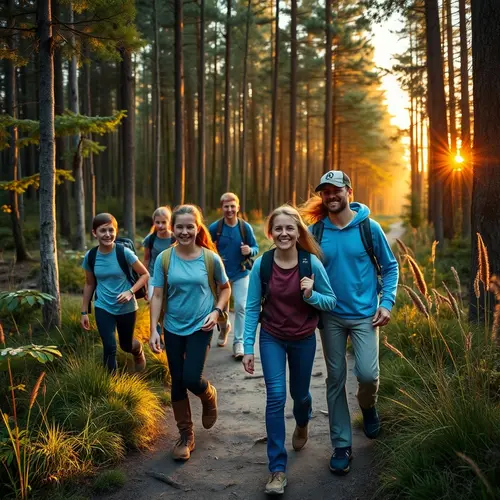
outdoor experiences
outdoor experiences Benefits Backed by Science
Studies published in the Journal of Environmental Psychology link frequent nature outings to reduced anxiety and improved attention span. Meta‑analyses from the National Institutes of Health show that moderate outdoor activity raises vitamin D levels and supports immune health. These findings confirm that nature‑based movement is a low‑cost, high‑impact public health tool.Choosing the right type of nature outings depends on goals, accessibility, and season. Below is a quick reference that matches common activities with their primary benefits.| Activity | Primary Benefit | Typical Duration |
|---|---|---|
| Hiking | Cardiovascular fitness | 2‑4 hours |
| Camping | Stress reduction | Overnight |
| Wildlife observation | Mindfulness | 1‑2 hours |
| Kayaking | Upper‑body strength | 1‑3 hours |
| Rock climbing | Problem‑solving | 1‑2 hours |
Understanding how different ages respond to nature helps planners create safe, engaging nature outings.
Tailoring difficulty, duration, and guidance ensures participation across generations.
Designing Effective nature outings for Different Age Groups
For children ages 5‑12, short exploratory nature outings such as nature scavenger hunts build curiosity and motor skills. The American Academy of Pediatrics recommends at least 60 minutes of daily active play outdoors to support healthy development.Teens benefit from challenge‑based nature outings like overnight backpacking or ropes courses, which foster leadership and resilience.Adults often gain stress relief and social connection through group activities such as trail running clubs or community gardening.Planning a successful outing follows a few clear steps:- Define clear goals (e.g., fitness, education, relaxation).
- Select an activity that matches skill level and weather.
- Prepare essential gear: water, navigation, first‑aid kit.
- Check local regulations and trail conditions.
- Leave no trace: pack out waste and respect wildlife.
Safety and Preparation for outdoor experiences
Effective risk management starts with assessing personal fitness and the difficulty level of the chosen activity. Beginners should choose well‑marked trails and consider guided programs when available. Carrying a fully charged phone and sharing your itinerary with a trusted contact reduces emergency response time, and reviewing recent trail reports helps keep your nature outings safe and enjoyable.Weather conditions can change rapidly in mountainous or coastal environments.Checking forecasts from reliable sources such as the National Weather Service helps you pack appropriate layers and avoid hazardous situations.
Planning your nature outings around stable weather windows increases both safety and enjoyment.
Gear Checklist for Variable Conditions
Having the right equipment transforms a good outing into a great one. The following checklist covers essentials for day trips in varying climates.Adjust quantities based on group size and duration. Remember that proper gear supports the success of your nature outings by keeping you comfortable and protected.- Waterproof jacket
- Insulated layers (fleece or down)
- Sturdy footwear with good traction
- Navigation tool (map, compass, or GPS device)
- Headlamp with extra batteries
- Comprehensive first‑aid kit
- Sufficient water (at least 2 liters per person)
- High‑energy snacks (nuts, bars, dried fruit)
- Multi‑tool or knife
- Emergency blanket or bivy sack
Environmental Benefits of Regular Time Outside
Regular nature outings increase public awareness of local ecosystems and foster stewardship behaviors. Studies from the United States Forest Service show that visitors who engage in nature‑based activities are more likely to support conservation funding. Additionally, time spent outdoors correlates with lower urban heat island effects due to increased vegetation preservation.Participating in guided nature outings such as citizen science bird counts helps researchers track migration patterns and population health.These data contribute to national biodiversity databases that inform policy decisions.
When communities value their natural surroundings, they invest in green spaces that benefit both wildlife and residents.Program leaders often use simple surveys and participation logs to measure the impact of their nature outings initiatives. Metrics such as increased physical activity minutes and self‑reported stress reduction provide actionable insights.Sharing these results with stakeholders encourages continued investment in nature‑based programming.By integrating regular nature outings into weekly routines, individuals unlock lasting physical vitality, sharper focus, and deeper community ties.
Start small, stay consistent, and let nature be the teacher.
Half-Day Trip Blueprint
Pick a nearby trail, set one learning goal, and pack light with water and layers. Short local loops beat ambitious routes for young groups.
Gear Checklist for Class Outings
Carry first aid, whistle, map copies, and emergency contacts per group. Check forecasts the morning of departure.
Who This Outdoors Guide Fits
Teachers planning first field trips and camp leaders fit best. Start with school-ground explorations.
Verdict: Start Near, Go Far Later
For rewarding trips, master school-ground outings before wilderness treks. Log what worked after every outing.
Key takeaway: schedule outdoor experiences monthly so students connect classroom ideas with real landscapes.
Season Permission Slip Template
Send slips home two weeks early listing dates, gear, and pickup times. Collect emergency contacts digitally so paperwork never delays departure morning. Confirm bus reservations three days ahead and share detailed itineraries with parents tonight by email and printed handout for parent signatures tomorrow morning sharp without exception ever.
Further Reading on This Site
Why take students outdoors?
Time during outdoor experiences sharpens focus and cuts stress for all ages. Even short walks reset attention.
What safety steps come first?
Check weather, share routes, and pack water plus first aid. Keep groups small with buddy pairs.
How do outings tie to lessons?
Link each outdoor experiences trip to one concept with a field task. Debrief findings back in class.
About the Author