Getting Language learning app right starts with knowing what to compare and what to ignore.
Duolingo just announced a portable piano. Yes, we are talking about the same app that’s become synonymous with learning a foreign language. The app also has some music-learning courses, so this keyboard is intended for that and not for, uh, pushing down keys to trigger Spanish phrases.
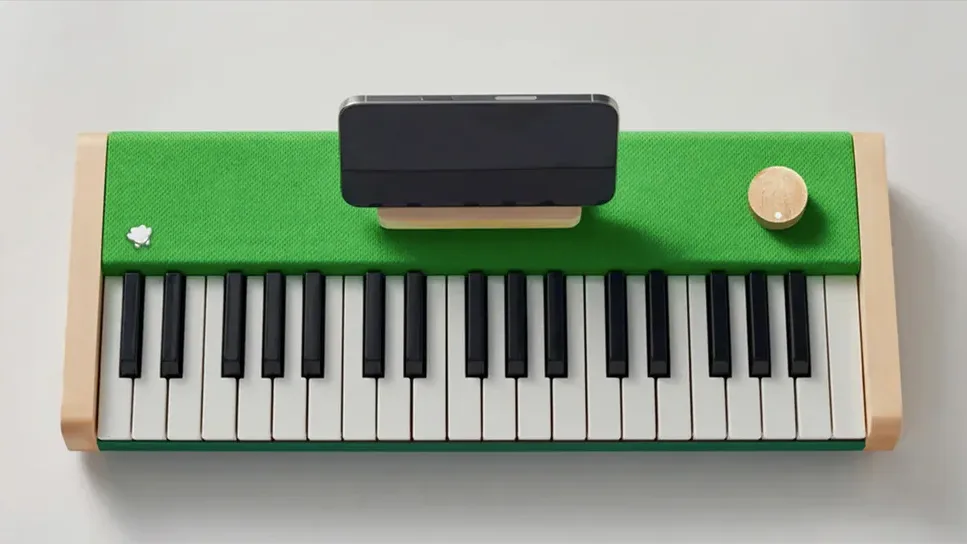
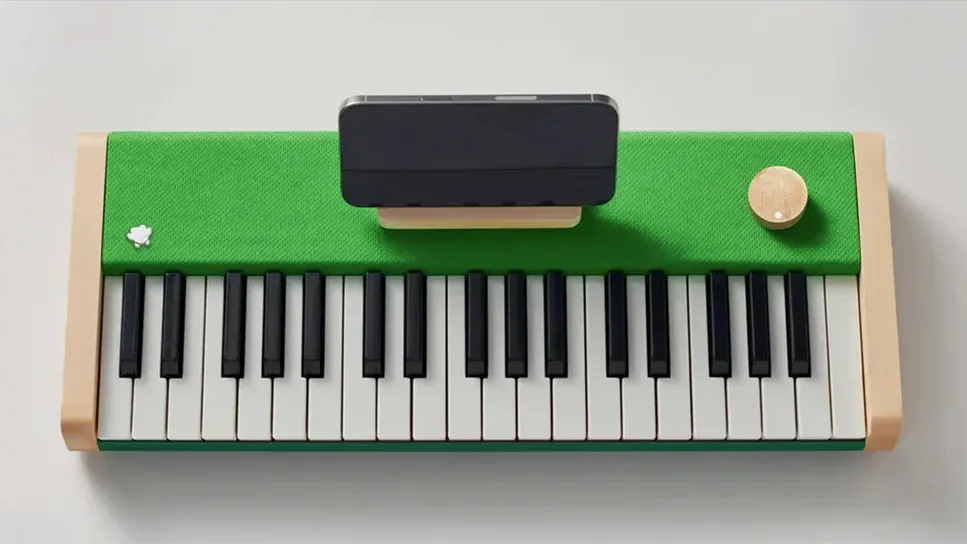
The company teamed up with Loog for this instrument, so this is basically a reskin of the pre-existing Loog Piano. It swaps out the red for a, dare I say, Brat green and it ships with a neat little smartphone stand, for keeping an eye on the app during practice sessions. Other than that, it looks nearly identical to the OG version.
That’s not a bad thing. The Loog x Duolingo Piano is a three-octave digital keyboard with built-in stereo speakers, wood sides and a rechargeable battery for portable use. The keys are likely one of the biggest selling points, as they allow for dynamics (piano to forte.) These Loog keyboards are pretty much the only digital pianos with velocity-sensitive keys at this size and price point.
It doubles as a standard MIDI controller, via USB-C, and there’s a sustain port and a headphone jack. This particular version also ships with Duolingo flashcards for budding piano players. Of course, it also integrates with the company’s app, for on-the-fly tutorials. There’s a Loog Piano app coming, but we don’t know when. We reached out to the company for a concrete release date and confirmation that the Duolingo piano will integrate with the Loog app. We’ll update this post when we find out, though I’d be extremely surprised if there isn’t cross-app functionality.
Just like the original Loog Piano, this one costs $249. Preorders are live right now, though it doesn’t ship until November. If you really have a hankering for a student-grade portable piano, the standard Loog Piano ships immediately.
Language learning app
Here is the short version of Language learning app, including what to check first and what to ignore.
What should beginners know about Language learning app?
Start with the basics covered above, apply one change at a time, and note what happens. That way you can tell which step actually made the difference instead of guessing.
How long does Language learning app take to show results?
It depends on your starting point. Most readers see a clear difference after four to six weeks of consistent work, and sooner when they track results weekly.
The most common mistake with Language learning app is treating the first option you find as the only option. Comparison is not busywork: differences in scope, support, and timing often matter more than the headline number.
The second mistake is ignoring the follow-up. Whatever you choose, plan how you will check that it worked. A quick review after two weeks catches problems while they are still cheap to fix, and it turns Language learning app from a one-time decision into something you can improve.
What to check before you start
Before committing time or money to Language learning app, it helps to know what a good outcome looks like. Write down the result you actually need, the budget you can live with, and the deadline you are working against. Those three answers rule out most of the options that look attractive but do not fit your situation.
Next, look at the details that are easy to miss: what is included, what costs extra, and what happens when something goes wrong. Ask directly about timelines and follow-up. A clear answer is usually a better sign than a low price, because Language learning app is rarely a one-off purchase of attention.
A simple step-by-step approach
Start with the basics of Language learning app and keep the first step small enough to finish in one sitting. Gather the information you need, compare two or three realistic options, and note the trade-offs in plain language rather than marketing terms.
Then test the decision on a small scale before you scale it up. This is the part most people skip, and it is the reason Language learning app sometimes feels harder than it should. A short trial tells you more than another hour of reading, and it usually surfaces the one constraint that matters in your case.
Jack Miller covers teacher training since 2020, testing 60+ courses and classroom methods on outcomes, cost, and practicality to help educators choose with confidence.