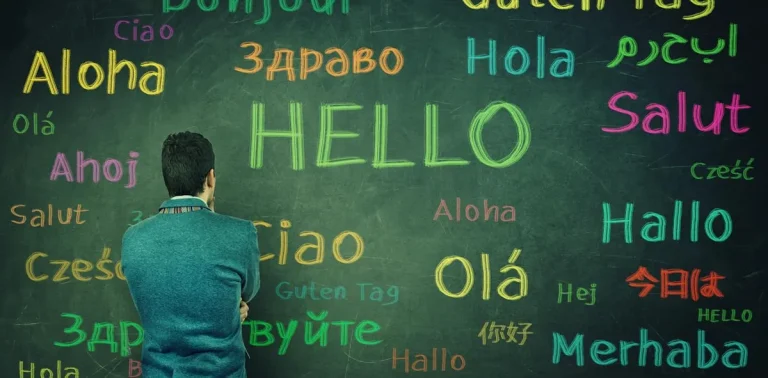
Getting Babbel Lifetime Language right starts with knowing what to compare and what to ignore.
Save on a lifetime Babbel subscription.
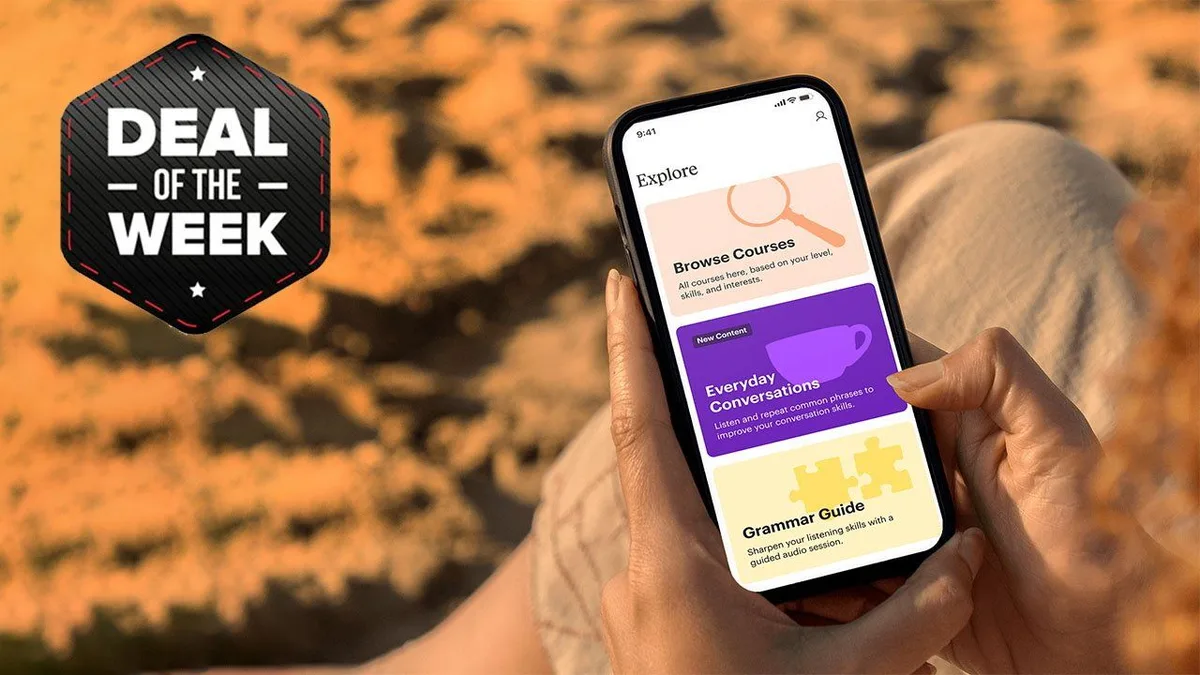
This Babbel deal provides a lifetime subscription to the language-learning app for just $149.97, a discount of 75% off retail. Enjoy learning a new language from your iPhone or Mac at the season’s best price.
The price of a lifetime Babbel language learning subscription has plunged to $149.97 at StackSocial during the retailer’s Deal Days event, representing the lowest price available.
The $450 discount is within $20 of the best price on record, and this deal delivers the lowest price we’ve seen this season. Over 15 million subscriptions have been sold, according to Babbel’s website, making it one of the most popular choices in the language-learning space.
Babbel, which has been in business since 2007, is a leading provider of educational software, helping users of all skill levels learn a new language or build on existing language skills.
The lifetime deal in this article is valid for new Babbel account users in the U.S. only, and you must redeem the code within 30 days of purchase. But other than that, it’s easy to get started using Babbel right away.
Save $450 on the lifetime Babbel subscription.
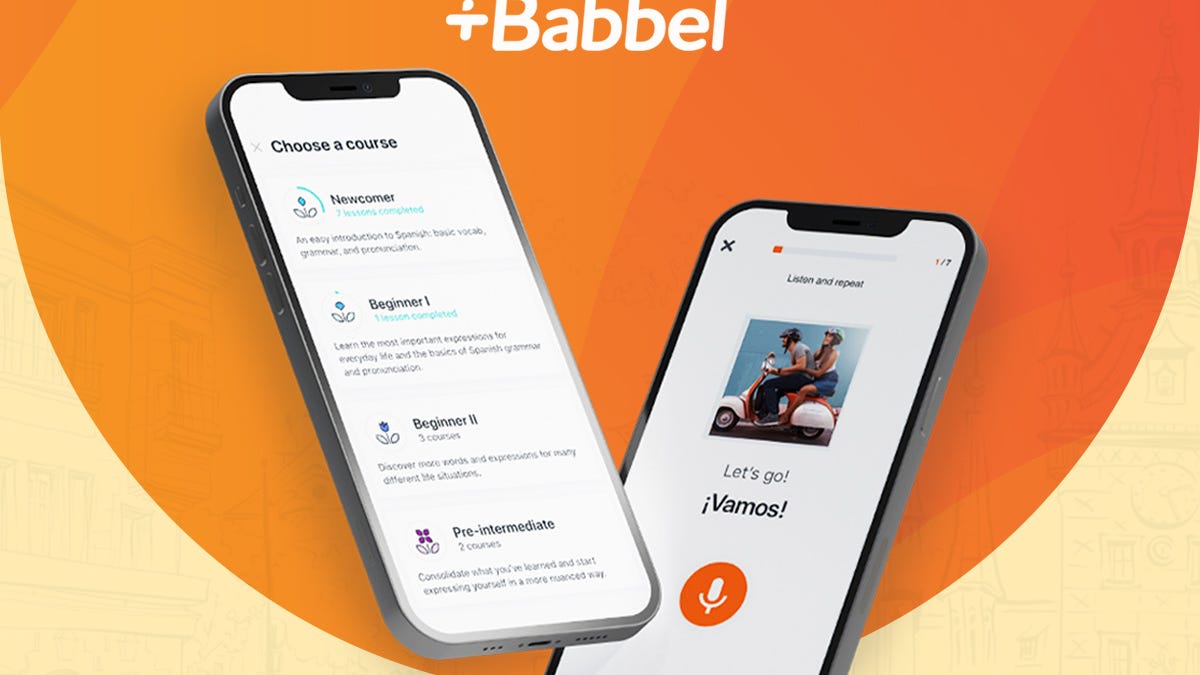
One of the most enticing aspects of this offer is that it covers all 14 languages Babbel offers, from Spanish to Swedish. The bite-sized lessons, which take just 10-15 minutes to complete, are perfect for fitting language learning into even the busiest of schedules.
You can progress at your own pace as well, eliminating the stress of rigid coursework. And the app works on macOS 10.12 or later and iOS 11 or above. Plus, if you’re without Wi-Fi access, you can download courses in advance to continue learning offline without interruption.
Deals on Apple hardware to use with Babbel
There are hundreds of discounts in effect on Apple devices to use when learning a new language with Babbel. Check out a few of the top deals in effect this weekend, with hundreds more in our Apple Price Guide.
Babbel Lifetime Language
Here is the short version of Babbel Lifetime Language, including what to check first and what to ignore.
What should beginners know about Babbel Lifetime Language?
Start with the basics covered above, apply one change at a time, and note what happens. That way you can tell which step actually made the difference instead of guessing.
How long does Babbel Lifetime Language take to show results?
It depends on your starting point. Most readers see a clear difference after four to six weeks of consistent work, and sooner when they track results weekly.
If Babbel Lifetime Language feels overwhelming, start with the smallest step that produces a visible result.
Babbel Lifetime LanguageBabbel Lifetime LanguageBabbel Lifetime Language
The most common mistake with Babbel Lifetime Language is treating the first option you find as the only option. Comparison is not busywork: differences in scope, support, and timing often matter more than the headline number.
The second mistake is ignoring the follow-up. Whatever you choose, plan how you will check that it worked. A quick review after two weeks catches problems while they are still cheap to fix, and it turns Babbel Lifetime Language from a one-time decision into something you can improve.
What to check before you start
Before committing time or money to Babbel Lifetime Language, it helps to know what a good outcome looks like. Write down the result you actually need, the budget you can live with, and the deadline you are working against. Those three answers rule out most of the options that look attractive but do not fit your situation.
Next, look at the details that are easy to miss: what is included, what costs extra, and what happens when something goes wrong. Ask directly about timelines and follow-up. A clear answer is usually a better sign than a low price, because Babbel Lifetime Language is rarely a one-off purchase of attention.
A simple step-by-step approach
Start with the basics of Babbel Lifetime Language and keep the first step small enough to finish in one sitting. Gather the information you need, compare two or three realistic options, and note the trade-offs in plain language rather than marketing terms.
Then test the decision on a small scale before you scale it up. This is the part most people skip, and it is the reason Babbel Lifetime Language sometimes feels harder than it should. A short trial tells you more than another hour of reading, and it usually surfaces the one constraint that matters in your case.
Jack Miller covers teacher training since 2020, testing 60+ courses and classroom methods on outcomes, cost, and practicality to help educators choose with confidence.