Effective support for young learners begins with understanding their developmental needs and creating environments that nurture curiosity, resilience and foundational skills. Research from the National Association for the Education of Young Children shows that purposeful play and responsive teaching measurably boost achievement. This guide outlines proven strategies that parents and teachers can use to help young learners thrive, whether in a classroom, a home setting or a blended programme.
Understand How Young Learners Develop
Children pass through predictable stages, yet each develops at their own pace. Knowing what is typical at each age helps adults set realistic expectations and choose the right activities. Young learners need movement, repetition and encouragement far more than pressure. When adults respect the pace of development, children build confidence instead of anxiety, and that confidence becomes the foundation for everything that follows.
Create a Nurturing Environment
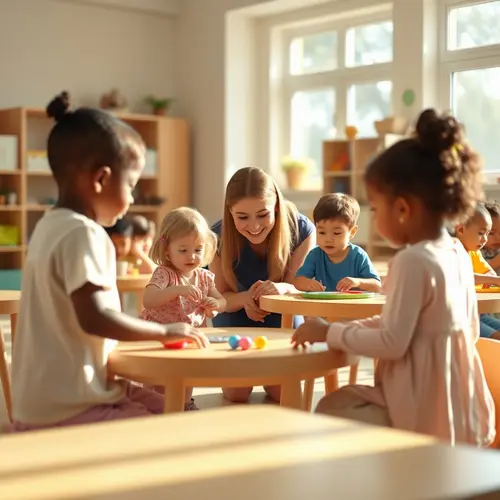
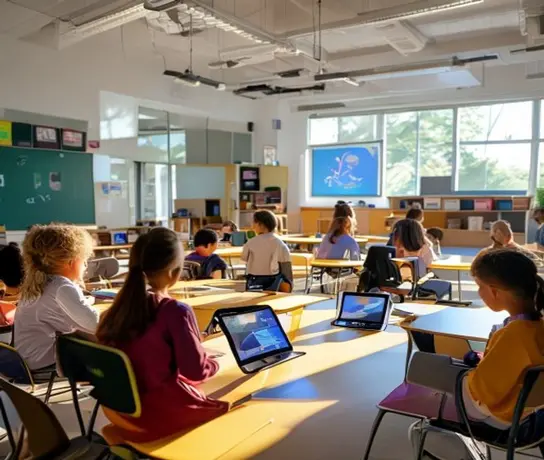
The space around young learners shapes how they feel and behave. A calm, organised room with accessible materials invites exploration, while bright, cluttered settings overwhelm attention. Display children’s work to show that their effort matters, and keep routines predictable so they feel secure. A nurturing environment does not require expensive equipment; it requires thoughtfulness, warmth and consistency.
Use Purposeful Play
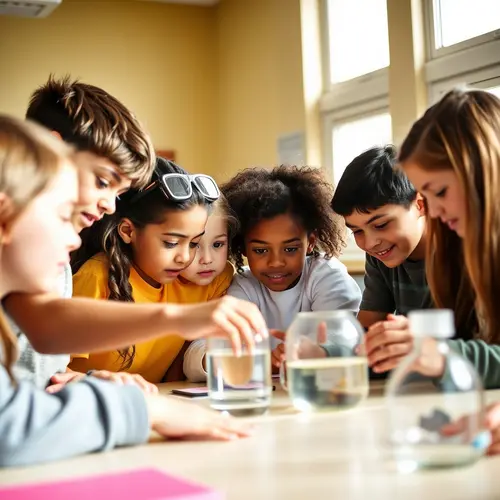
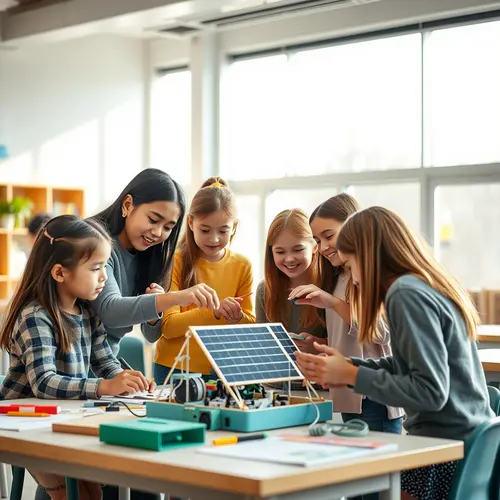
Play is not the opposite of learning; it is how young learners learn best. Through play they practise language, problem solving, negotiation and self-control. Adults can guide play without controlling it, adding questions and resources that deepen exploration. Our article on making learning fun and our guide on educational applications offer practical ideas for turning everyday activities into rich learning moments.
Teach Responsively
Responsive teaching means watching closely and adjusting to what children actually need. Instead of delivering a fixed lesson, skilled adults notice confusion or curiosity and respond in the moment. This approach keeps young learners engaged because the challenge matches their ability. It also builds trust, because children sense that the adult is paying attention to them as individuals rather than following a script.
Build Resilience and Independence
Young learners grow stronger when they are allowed to struggle a little and recover. Praise effort rather than talent, model how to handle setbacks and give children manageable responsibilities. Over time, these habits create independence and a willingness to try difficult things, which matter far more for long-term success than early academic brilliance.
Partner With Families
Children do best when home and school pull in the same direction. Regular, friendly communication helps parents reinforce what is happening in the classroom and share what they notice at home. When teachers and families treat each other as partners, young learners receive consistent messages about effort, kindness and curiosity, and that consistency accelerates their progress. For research-based guidance, the National Association for the Education of Young Children is an excellent resource.
Assess Gently and Often
Assessment of young learners should inform teaching, not label children. Simple observation, work samples and short conversations reveal far more than formal tests at this age. Use what you learn to adjust activities and to celebrate growth, and share progress with families in plain, encouraging language. Gentle, regular assessment keeps support aligned with each child’s real development.
Conclusion
Supporting young learners is less about grand programmes and more about consistent, thoughtful practice. Understand development, build a nurturing environment, use play, teach responsively, encourage resilience, partner with families and assess gently. Do these things, and you will give young learners the skills and confidence they need to succeed now and for years to come.
Early Literacy Through Conversation
Long before children read, they build literacy through talk. Singing, rhyming, storytelling and asking open questions expand vocabulary and tune the ear to the sounds of language. Adults who read aloud daily, pause to discuss pictures and let children retell stories are doing some of the most powerful teaching possible. These simple routines cost nothing and pay enormous dividends, because a rich oral foundation makes later reading and writing far easier to master.
Numeracy in Everyday Moments
Mathematics need not begin with worksheets. Counting stairs, sorting laundry, measuring ingredients and comparing sizes introduce number and pattern naturally. When adults weave these ideas into daily life, children absorb them without pressure and begin to see maths as part of the world rather than a chore. This playful exposure builds intuition and confidence that formal lessons can then extend.
Social and Emotional Learning
Children who can name their feelings, share, wait and resolve small conflicts are ready to learn. Adults support this by labelling emotions, modelling calm responses and coaching children through disputes rather than simply separating them. Games that require turn-taking and cooperation practise these skills gently. Emotional competence is not a soft extra; it is the ground on which all other learning grows.
Making Peace With Screens
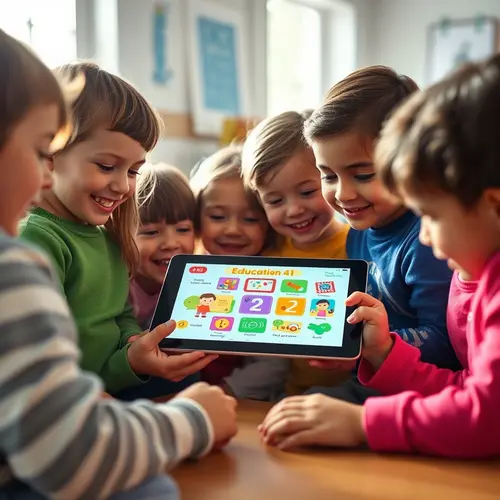
Technology can help or hinder, depending on how it is used. High-quality apps and videos can introduce new ideas and languages, but passive screen time displaces the play, movement and conversation that young children need most. The sensible approach is balance: choose content carefully, watch together where possible, set limits and always prioritise real-world interaction. Used well, screens become one tool among many rather than a default babysitter.
Encouraging a Growth Mindset
Children who believe ability can grow through effort persist when tasks are hard. Adults shape that belief through language, praising the process rather than the outcome and treating mistakes as useful information. When a child struggles, a calm reminder that learning takes time helps more than quick praise or rescue. Over the years, this mindset quietly determines how far young children are willing to stretch themselves.
Working With Children Who Need Extra Help
Some children require additional support, whether because of a learning difference, a language barrier or a difficult home life. Early identification and patient, individual attention make a lasting difference. Adults should observe closely, adapt tasks, celebrate small steps and involve specialists when needed. The goal is not to label a child but to remove obstacles so that every child can participate fully and feel that they belong.
Looking After Yourself
Supporting children is demanding work, and adults who are exhausted or overwhelmed cannot give their best. Teachers and parents need rest, realistic expectations and permission to ask for help. Sharing the load with colleagues, families and the wider community protects both the adult and the child. Sustained, patient support depends on the supporter staying well, so self-care is not selfish but essential.
Progress in the early years is rarely dramatic from one day to the next, which is why patience and encouragement matter so much. The small habits that adults repeat, a story at bedtime, a question at the dinner table, a walk that turns into a nature hunt, accumulate into something remarkable over time. Trust the process, keep the routines gentle and consistent, and the children you care for will grow into curious, capable and confident people.
Every child deserves adults who believe in them, and belief is shown through patience, attention and steady encouragement rather than grand declarations. Bring those qualities to each day, and your influence will stretch far beyond the lessons you teach, shaping the kind of adults these children eventually become.
Understand How Young Learners Develop
Children pass through predictable stages, yet each develops at their own pace. Knowing what is typical at each age helps adults set realistic expectations and choose the right activities.
Create a Nurturing Environment
The space around young learners shapes how they feel and behave. A calm, organised room with accessible materials invites exploration, while bright, cluttered settings overwhelm attention.
Use Purposeful Play
Play is not the opposite of learning; it is how young learners learn best. Through play they practise language, problem solving, negotiation and self-control.
Young learnersYoung learnersYoung learnersYoung learnersYoung learnersYoung learners
Jack Miller covers teacher training since 2020, testing 60+ courses and classroom methods on outcomes, cost, and practicality to help educators choose with confidence.