NEWS RELEASE
SIMCOE COUNTY DISTRICT SCHOOL BOARD
*************************
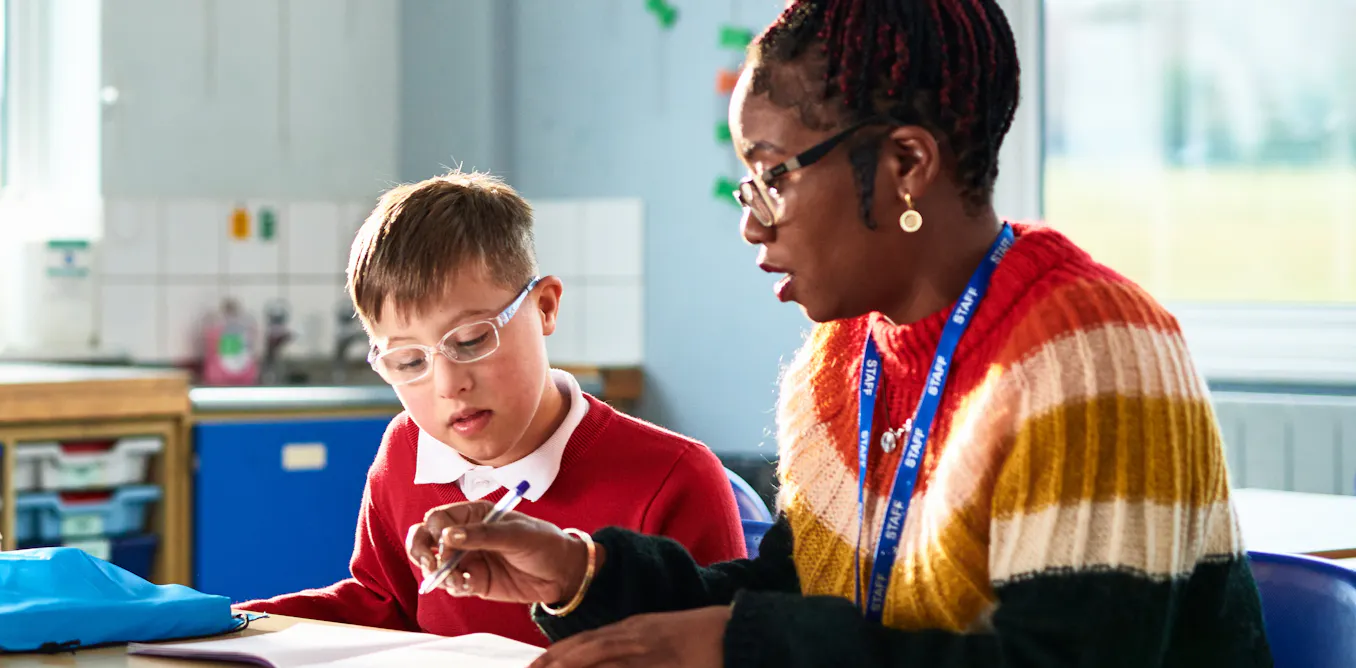
Social and recreational programs will be offered from October to December for Simcoe County District School Board (SCDSB) students with special education needs and their family members.
The programs will be offered virtually and in person, and will focus on using recreation, problem solving, coding, music, and play skills to support social skills development.
Coding and robotics social skills program
A five-week coding and robotics themed program designed to improve computing, problem-solving, and social skills of children with a developmental profile consistent with autism spectrum disorder (ASD) by focusing on following instructions, creativity, and conversational skills. This program will run virtually from October to November.
Journey to Success social skills program
A six-week program designed to improve problem-solving skills of children with a developmental profile consistent with ASD by focusing on co-operation and teamwork to support social skills development. This program will run virtually from October to December.
Music social skills program
An eight-week music-based program designed to improve emotional regulation and social skills of children with a developmental profile consistent with ASD by focusing on singing, dancing, and playing instruments in a group setting. This program will run in person from October to December.
Recreation social skills program
A seven-week multi-component recreation program designed to improve the gross motor skills and social skills of children with a developmental profile consistent with ASD. This program will run in person from October to December.
SIBSHOPs workshop for siblings of children with special needs
A six-week program designed to encourage friendships and connections between siblings of children with special needs by focusing on playing games, participating in fun activities, and sharing stories. This program will run in person from November to December.
Parents/guardians are an important part of the programs and may be required to attend the programs. Parents/guardians will receive resources and support to help children develop and practice new skills at home and at school.
This does not guarantee enrolment into the program. You may be contacted for an initial telephone interview or screening session to assess if the program is appropriate for your child.
*************************
Coding and robotics social skills program
A five-week coding and robotics themed program designed to improve computing, problem-solving, and social skills of children with a developmental profile consistent with autism spectrum disorder (ASD) by focusing on following instructions, creativity, and conversational skills. This program will run virtually from October to November.
Journey to Success social skills program
A six-week program designed to improve problem-solving skills of children with a developmental profile consistent with ASD by focusing on co-operation and teamwork to support social skills development. This program will run virtually from October to December.
Music social skills program
An eight-week music-based program designed to improve emotional regulation and social skills of children with a developmental profile consistent with ASD by focusing on singing, dancing, and playing instruments in a group setting. This program will run in person from October to December.
Special education
Use this section as a quick reference for Special education before working through the steps above.
What should beginners know about Special education?
Start with the basics covered above, apply one change at a time, and note what happens. That way you can tell which step actually made the difference instead of guessing.
How long does Special education take to show results?
It depends on your starting point. Most readers see a clear difference after four to six weeks of consistent work, and sooner when they track results weekly.
In practice, Special education works best when the basics are handled before anything else.
Special educationSpecial educationSpecial educationSpecial educationSpecial educationSpecial education
Start with the basics of Special education and keep the first step small enough to finish in one sitting. Gather the information you need, compare two or three realistic options, and note the trade-offs in plain language rather than marketing terms.
Then test the decision on a small scale before you scale it up. This is the part most people skip, and it is the reason Special education sometimes feels harder than it should. A short trial tells you more than another hour of reading, and it usually surfaces the one constraint that matters in your case.
Mistakes that cost time and money
The most common mistake with Special education is treating the first option you find as the only option. Comparison is not busywork: differences in scope, support, and timing often matter more than the headline number.
The second mistake is ignoring the follow-up. Whatever you choose, plan how you will check that it worked. A quick review after two weeks catches problems while they are still cheap to fix, and it turns Special education from a one-time decision into something you can improve.
What to check before you start
Before committing time or money to Special education, it helps to know what a good outcome looks like. Write down the result you actually need, the budget you can live with, and the deadline you are working against. Those three answers rule out most of the options that look attractive but do not fit your situation.
Next, look at the details that are easy to miss: what is included, what costs extra, and what happens when something goes wrong. Ask directly about timelines and follow-up. A clear answer is usually a better sign than a low price, because Special education is rarely a one-off purchase of attention.
Jack Miller covers teacher training since 2020, testing 60+ courses and classroom methods on outcomes, cost, and practicality to help educators choose with confidence.