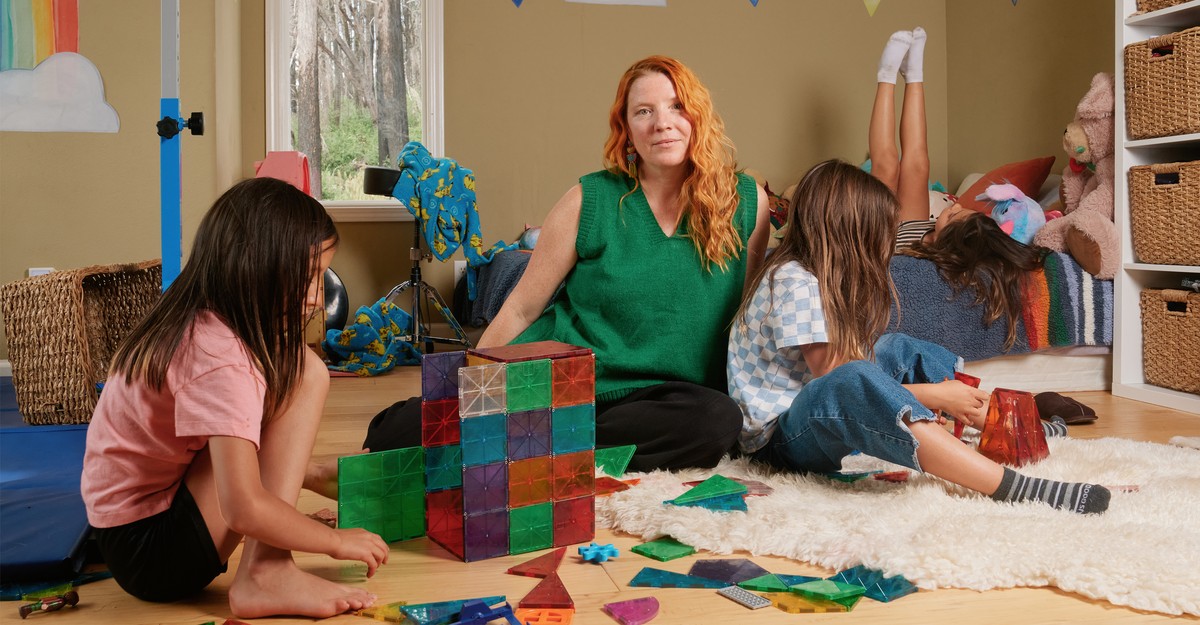

Getting Millennial Parenting right starts with knowing what to compare and what to ignore.
Millennials are the first generation of parents to have grown up in the digital era — and it shows. Today’s parents have access to infinitely more information than their parents had, and they hold themselves to a different set of standards.
Some boomers may mock today’s touchy-feely gentle parenting, but these trends have grown out of insight into child development and the impact of childhood trauma. Many parents today believe that if you want to raise kind, respectful kids, you start by treating them with kindness and respect.
A changed economic landscape means parents are also under more financial pressure. The cost of childcare continues to rise, with the average cost of a week of daycare going up 13% between 2022 and 2024. Families today are spending an average of 24% of their income on childcare — that’s more than triple the 7% the Department of Health and Human Services considers affordable.
This problem, along with parents working longer hours and spending more time caring for their children, makes it no surprise that parents’ mental health is suffering. Back in August, U.S. Surgeon General Vivek Murthy issued an advisory on parental mental health, citing “an intensifying culture of comparison” among the stressors weighing on parents, causing them to report significantly higher rates of stress than adults without children.
Today’s parents are certainly looking for support wherever they can find it, online or within their own families. Oftentimes, grandparents want to be helpful but may struggle with all the ways parenting has changed since they raised their children.
We asked millennial parents to tell us what they wish their parents understood. Here’s what they had to say.
Times have changed.
Millennial Parenting
Here is the short version of Millennial Parenting, including what to check first and what to ignore.
What should beginners know about Millennial Parenting?
Start with the basics covered above, apply one change at a time, and note what happens. That way you can tell which step actually made the difference instead of guessing.
How long does Millennial Parenting take to show results?
It depends on your starting point. Most readers see a clear difference after four to six weeks of consistent work, and sooner when they track results weekly.





Related reading
Mistakes that cost time and money
The most common mistake with Millennial Parenting is treating the first option you find as the only option. Comparison is not busywork: differences in scope, support, and timing often matter more than the headline number.
The second mistake is ignoring the follow-up. Whatever you choose, plan how you will check that it worked. A quick review after two weeks catches problems while they are still cheap to fix, and it turns Millennial Parenting from a one-time decision into something you can improve.
What to check before you start
Before committing time or money to Millennial Parenting, it helps to know what a good outcome looks like. Write down the result you actually need, the budget you can live with, and the deadline you are working against. Those three answers rule out most of the options that look attractive but do not fit your situation.
Next, look at the details that are easy to miss: what is included, what costs extra, and what happens when something goes wrong. Ask directly about timelines and follow-up. A clear answer is usually a better sign than a low price, because Millennial Parenting is rarely a one-off purchase of attention.
A simple step-by-step approach
Start with the basics of Millennial Parenting and keep the first step small enough to finish in one sitting. Gather the information you need, compare two or three realistic options, and note the trade-offs in plain language rather than marketing terms.
Then test the decision on a small scale before you scale it up. This is the part most people skip, and it is the reason Millennial Parenting sometimes feels harder than it should. A short trial tells you more than another hour of reading, and it usually surfaces the one constraint that matters in your case.
About the Author