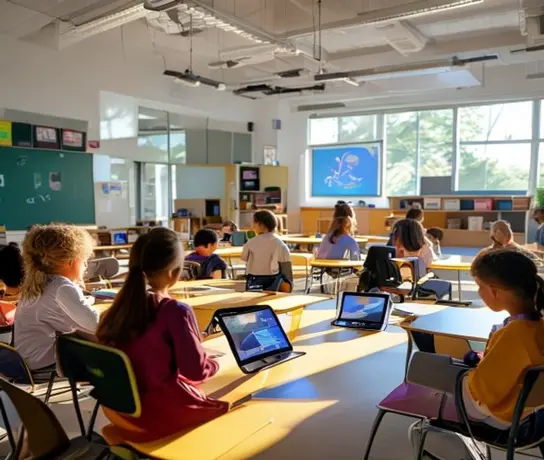
school technology supplies
Effective learning hinges on thoughtful investment in school technology supplies, which encompass everything from student devices and interactive classroom displays to robust network infrastructure and educational software. These resources are fundamental to creating dynamic, engaging, and equitable learning environments that prepare students for future challenges.
Essential Categories of School Technology Supplies
Understanding the breadth of necessary equipment is the first step toward strategic procurement. Modern educational settings require a layered approach, integrating various tools to support diverse learning styles and administrative functions.
Student Devices: Powering Individual Learning
Personal learning devices are now a standard component of school technology supplies. Chromebooks, laptops, and tablets each offer distinct advantages depending on the curriculum and age group. Chromebooks often provide a cost-effective, cloud-managed solution ideal for K-12, while more powerful laptops might suit specialized STEM programs or high school students requiring advanced software.
- Chromebooks: Excellent for web-based learning, affordability, and easy management.
- Laptops: Offer full software compatibility, crucial for design, coding, or multimedia production.
- Tablets: Provide portability and touch-interface benefits, suitable for younger learners or specific adaptive applications.
Classroom Infrastructure: The Backbone of Digital Learning
Beyond individual devices, the collective classroom environment demands robust infrastructure. Interactive flat panel displays (IFPDs) have largely replaced traditional projectors, offering enhanced collaboration, clarity, and touch capabilities. Reliable wireless access points (WAPs) are non-negotiable, ensuring seamless connectivity for all devices.
Additionally, sound systems and document cameras augment instruction, making presentations more impactful and allowing for real-time demonstration of physical materials. These foundational school technology supplies ensure lessons flow smoothly without technical interruptions.
Software & Platforms: Curating the Learning Experience
Hardware is only as effective as the software it runs. Learning Management Systems (LMS) like Canvas or Google Classroom centralize assignments, communication, and resources. Content creation tools empower both teachers and students to develop engaging materials. Furthermore, specialized applications for coding, graphic design, or virtual labs expand curricular possibilities.
Subscription models for software provide regular updates and support, often simplifying IT management. Prioritizing interoperability between different platforms is key to avoiding fragmented digital ecosystems.
Network Security & Data Management: Protecting the Digital Campus
With an increase in digital learning, network security is paramount. Firewalls, content filters, and robust antivirus solutions protect sensitive student data and prevent access to inappropriate content. Data backup systems ensure continuity of operations and safeguard against data loss.
Compliance with data privacy regulations, such as FERPA in the United States, dictates careful management of student information. Investing in these preventative school technology supplies minimizes risk and builds trust within the community.
Specialized Tools & Accessibility: Fostering Inclusivity
To cater to diverse needs, specialized school technology supplies are essential. Adaptive technologies, such as screen readers, voice recognition software, and alternative input devices, provide access for students with disabilities. For STEM education, tools like 3D printers, robotics kits, and virtual reality headsets offer immersive, hands-on learning experiences.
These specialized tools not only enrich the curriculum but also ensure that technology serves as an equalizer, rather than a barrier, to education for all students.
Optimizing Your Investment in School Technology Supplies
Purchasing technology is just the beginning. Longevity and impact are determined by careful planning and ongoing support.
Navigating Procurement for School Technology Supplies
Procurement extends beyond initial cost. Consider the total cost of ownership (TCO), which includes maintenance, repairs, software licenses, and staff training. According to the International Society for Technology in Education (ISTE) standards, selecting technology should align directly with pedagogical goals, not simply follow market trends. Engaging educators in the selection process ensures tools meet actual classroom needs.
| Category | Key Considerations | Impact on Learning |
|---|---|---|
| Student Devices | Cost, Durability, OS Ecosystem, Management | Personalized learning, Digital literacy |
| Network Infrastructure | Speed, Reliability, Scalability, Security | Seamless access, Data protection |
| Software Platforms | Interoperability, User Experience, Educational Alignment | Content delivery, Collaboration, Assessment |
| Classroom Displays | Clarity, Interactive Features, Size, Longevity | Engagement, Visual learning, Participation |
Expert Opinion: The “Tech for Tech’s Sake” Trap
A common pitfall in education technology is the belief that simply acquiring cutting-edge devices automatically translates to improved learning outcomes. This is a pervasive myth. As reported in academic journals focusing on educational technology, the true transformative power lies not in the hardware itself, but in how it is integrated into pedagogy and supported by ongoing professional development for educators. A school might invest heavily in new tablets, only to find them underutilized if teachers lack the training to embed them meaningfully into their curriculum or if the network cannot sustain their use. The most impactful technological advancements often stem from rethinking teaching practices in conjunction with new tools, rather than just adding new tools to old practices.
Key Considerations for Sustainable Tech Integration
- Professional Development: Consistent training for educators is paramount.
- Scalability: Choose solutions that can grow with your institution’s needs.
- Interoperability: Ensure new systems integrate smoothly with existing ones.
- Maintenance & Support: Plan for technical support and regular updates.
- Digital Citizenship: Educate students on responsible technology use.
The strategic selection and ongoing management of school technology supplies are critical for creating dynamic, future-ready learning environments. By focusing on pedagogical integration, comprehensive support, and thoughtful procurement, educational institutions can maximize their investment and genuinely empower both students and educators.
About the Author